
Cultivating Resilience in Asheville
What does it take to turn an empty neighborhood lot into a reliable source of fresh produce for dozens of families? Early coalition meetings kept returning to this practical hurdle. Neighbors could easily name the problem: no fresh produce within walking distance.
The Carver Park lot sat vacant for roughly a decade before cultivation began, depending on whose neighborhood memory you trust. Today, it stands as a living answer to that initial question. The garden now supplies fresh produce to somewhere between 30 and 45 households per growing season.
A quarter-acre plot of this kind supplements a household's fresh vegetables during the growing months; it does not replace grocery access through winter. Still, it represents a proven model of community action. In this piece, I will walk through the people, the agricultural practices, and the neighborhood impact that make this space work.
The Roots of the Carver Park Initiative
Site selection rarely happens in a vacuum. When addressing food security in Western North Carolina, organizers chose the current parcel over a larger tract three blocks north. The deciding factors were highly practical—the chosen lot had an existing municipal water tap and a bus stop within sight.
The land was made available through a municipal lease at a nominal rate, renewed on a 3-year cycle. Initial startup relied on two small community seed grants in the low four figures each, awarded in the 2022 spring cycle. Sustained cooperation over consecutive review cycles with the Asheville Buncombe Food Policy Council (ABFPC) helped secure these early resources.
While these municipal partnerships provide a stable foundation, the nominal lease depends on the parcel staying zoned for community use; a rezoning petition could put the arrangement back on the table.
Key Takeaway: A single garden cannot eliminate regional food deserts, but it serves as a vital, immediate intervention for local residents.
Meet the Hands Behind the Harvest
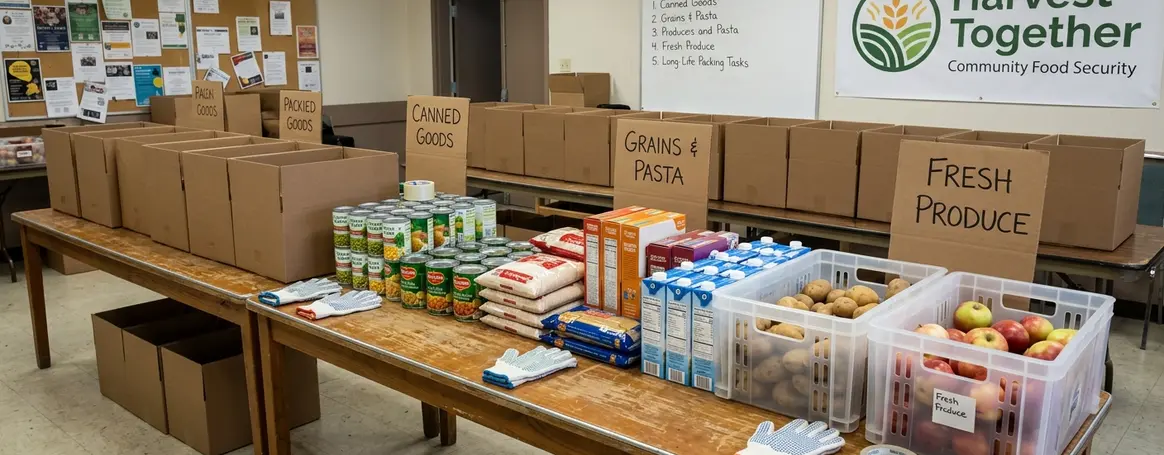
The volunteer roster was intentionally built around complementary skills rather than availability alone. I realized early planting seasons stalled because everyone knew how to weed, but few knew how to manage soil amendments. The core team now runs 8 to 12 regular volunteers.
Three of these individuals have committed nearly every Saturday for two consecutive seasons. The crew ranges from a high schooler earning service hours to a retiree in her seventies who manages the seedling nursery.
This diverse coalition brings different skill sets together to address food justice directly. Midsummer heat reliably thins Saturday crews, forcing heavy soil work to be front-loaded before July. This scheduling constraint is specific to Western North Carolina growing conditions rather than a generic year-round volunteer model.
Sustainable Agriculture in Practice
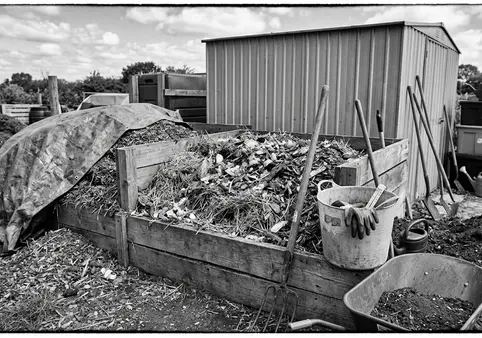
Practical, conservative agricultural methods protect local soil health and ensure long-term viability for the garden. The team adopted companion planting after a first-year pest problem on the squash beds. Rather than spray, they interplanted with aromatic herbs and marigolds the following season and tracked which beds thrived. This resolved the infestation without pesticides, avoiding the tidy, pest-free garden a template would assume.
A typical volunteer workday involves weeding, harvesting, and soil preparation. Compost turns roughly every 4 to 6 weeks during warm months, finishing a usable batch in a 10 to 14 week cycle.
The two-barrel catchment holds enough to hand-water the raised beds for 4 to 7 dry days depending on July temperatures. It covers the raised beds but not the in-ground rows. During extended drought, those still rely on the municipal tap.
Pro Tip: For more on building resilient local systems, review these community garden best practices.
Harvesting Food Justice
Distribution shifted from a first-come pickup table to a pre-registered share list after the first table emptied within 40 minutes and left later arrivals with nothing. The registered-share model let organizers guarantee equitable access. A single Saturday harvest during peak season fills roughly 25 to 35 produce bags for distribution.
Neighborhood residents frequently express relief at having fresh greens and tomatoes just a short walk away. Ongoing technical support comes from local agricultural extension staff who visit for soil consultation two to three times per season. The necessity of these hyper-local food access points is clear—practitioner accounts of Gina Smith, Program Coordinator for Double Up Food Bucks, indicate as much.
The garden does not currently track pounds harvested, so its contribution to county food-security metrics remains an estimate rather than a documented figure. Still, this grassroots effort ties directly into broader food justice policy goals in Buncombe County, supported by partners like West Village Market, ASAP, and Katie Souris, a Food Policy Council representative.
How to Get Involved
Ad-hoc scheduling often produces no-shows and confuses first-timers. Anchoring orientations to a predictable date means volunteers can plan around it. Volunteer orientations run the first Saturday of each month, 9:00 to 10:30 a.m., during the March-through-October season.
Warning: Orientation sessions pause over the coldest winter months when the garden shifts to maintenance-only. Check the coalition's contact line before planning a December or January visit.
To join the Carver Park initiative, sign up for the next Saturday morning volunteer orientation by calling the coalition's main contact line. Arrive at the garden gates by 8:50 a.m. on the first Saturday of the month. Bring closed-toe shoes, work gloves, and at least one liter of water. If you are attending after May, wear a wide-brimmed sun hat.


Responses
No comments yet.
Write a Comment